The Tribal Frog Embroidery Design: A Practical Review for Creatives
As someone who stitches designs for clients and my own shop almost daily, my first instinct with any new embroidery file is to imagine it on a finished product. When I loaded the Tribal Frog design, I wasn’t just looking at a digital image; I was picturing it stitched on a canvas tote bag, a cozy sweatshirt, or a baby blanket. This review isn’t about specs—it’s about practical design judgment for real-world use.
First Impression: Tribal Energy on a Practical Scale
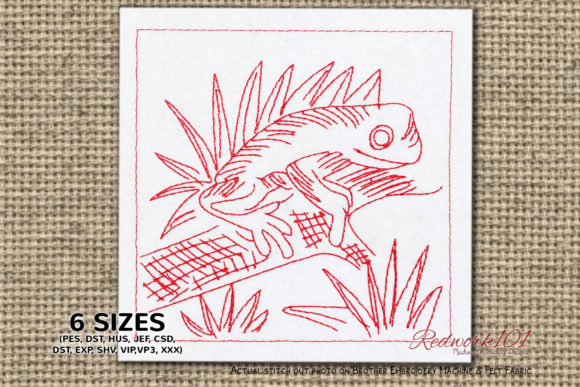
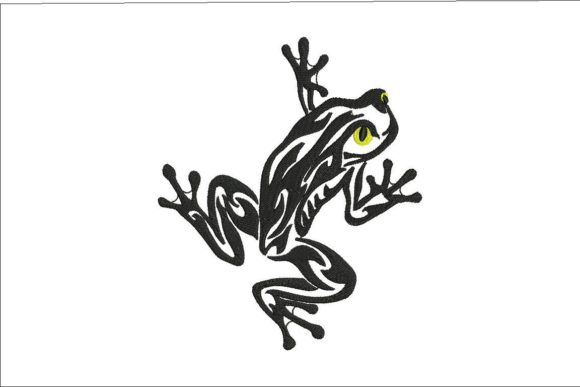
The Tribal Frog’s personality is instantly clear. It’s bold and graphic, with a stylized, almost geometric feel. This isn’t a cute, cartoon frog; it carries a modern, artistic mood. The shape is strong and the layout feels balanced, which is crucial for a design meant to be a focal point. My immediate thought was that this belongs on items where you want a statement piece—not a subtle accent. It has enough detail to be interesting, but the lines are clean, suggesting it won’t become a muddy mess of stitches when embroidered.
The Perfect Project Fit: Where This Frog Comes Alive
Let’s talk applications. I mentally ran through my last month of projects. For a custom sweatshirt, especially for someone who loves unique, nature-inspired art, this Tribal Frog would be a winner. Its graphic nature translates well to apparel embroidery. I also envisioned it on a sturdy tote bag—the kind sold in small boutiques or on Etsy. The design’s visual weight would hold up on that larger, textured canvas.
Thinking of gifts, this embroidery design feels perfect for a personalized pillow cover or a kitchen towel for an animal lover. It’s distinctive enough to feel special, not generic. For craft fair products or small shop merchandise, it offers that “handmade with character” appeal that buyers seek. As a digital embroidery file for other designers, it’s a solid design asset for projects needing a touch of modern tribal art.
A Real Scenario: Prepping a Boutique Tote Bag
Here’s a real-life case: you’re an Etsy seller preparing a batch of embroidered tote bags for spring. You choose the Tribal Frog. Your practical considerations start. You’d test it on scrap fabric first—a similar weight canvas—to see how the satin stitch or fill stitch areas behave. You’d check thread color contrast. A dark frog on a light bag? A bright frog on a dark bag? Both could work, but you’d stitch samples to see which feels more premium. The balanced layout means hoop placement is straightforward, but you’d confirm the necessary hoop size with the actual file details to ensure clean edges.
The result? A tote that doesn’t just look “embroidered”; it looks designed. That boosts perceived value and customer trust in your handmade product. For a baby item, like a nursery blanket, the tribal aesthetic makes it a cool, modern gift rather than a traditional cute one. Always consider the recipient’s taste.
Careful Application: When to Think Twice
No design is universally perfect. The Tribal Frog’s strength is its graphic form, but that means on very small items, some details might lose clarity. On a cap or hat with a curved surface, you’d need excellent stabilizer and possibly a test run to ensure the design’s corners and lines stitch smoothly on that challenging base. On thin or stretchy fabric, like a lightweight t-shirt, the stitch density needs to be appropriate to avoid puckering—you’d rely on your test stitch and proper stabilizer techniques.
For dark fabrics, if the design uses a lot of fill stitch, you’d want to ensure your thread colors pop sufficiently. Also, for products destined for frequent washing, like apparel or kitchen towels, a well-digitized design with sensible stitch density is key for longevity. The Tribal Frog appears to have clean lines, which is promising for durability, but always stitch your prototype and wash it a few times to be confident.
The Impact on Your Business and Craft
Using a design like this affects more than just the stitch. For a creative entrepreneur, it can enhance brand consistency if your shop leans toward modern, graphic styles. It’s highly giftable due to its unique theme. For commercial embroidery projects, a client requesting something “tribal and nature-themed” would likely be pleased with the professionalism of this execution.
In a marketplace, it stands out. In printable mockups for your digital product listings, or on actual finished products at a craft fair, its visual appeal engages buyers because it’s recognizable yet not commonplace. It suggests you’ve curated your designs, not just used generic ones.
Essential Designer Notes Before You Stitch
Before you run this machine embroidery design for a client order or a batch of products, here’s my practiced checklist. Always, test on scrap fabric first. This reveals everything: how it looks on your specific material, whether small details are crisp, and if any stitch areas are too dense. Check it in both light and dark fabric mockups, even digitally, to plan your thread schemes.
Review the stabilizer choice for your target fabric—textured fabrics like towels need different support than smooth apparel. Crucially, confirm the licensing terms of this embroidery design. Before selling finished items or using it in commercial embroidery, ensure your use is permitted. This protects your business and respects the digitizer.
Finally, think about your customer. Does the Tribal Frog fit the product’s story? On an apron, it’s a fun, bold statement. On a holiday gift for a reptile enthusiast, it’s a thoughtful personalized touch. Match the design’s mood to the item’s purpose.
Final Judgment: A Versatile, Graphic Asset
The Tribal Frog embroidery design, from a practical maker’s perspective, is a versatile and strong graphic asset. It avoids the trap of being overly intricate for simple projects or too simplistic for premium ones. It finds its home on statement items where its personality can shine. For embroidery designers, small business owners, and hobbyists looking for a design with modern tribal flair, this frog is a contender worth testing on your next tote bag, sweatshirt, or special gift project. Its real value will be proven, as always, by the quality of the stitch on your chosen fabric and the smile it brings to your customer.