The Funny Egg Embroidery Design: A Practical Review for Real Projects
I’m sitting with the Funny Egg embroidery file open on my screen, a client request in my inbox, and a stack of blank cotton tote bags waiting on my worktable. My client wants a playful, kitchen-themed gift for her sister who just moved into a new home. The brief was simple: “something joyful and a little silly for her kitchen.” So when I found this design, I immediately thought it was a contender. But before I hit ‘stitch,’ I always take a designer’s critical look. Here’s my practical evaluation of the Funny Egg as a real-world embroidery asset.
First Impression: A Whimsical Mood Maker
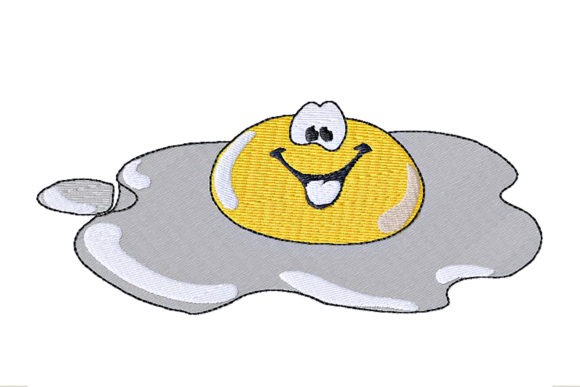
The personality of this design is its strongest feature. It’s not just an egg; it’s a character. The shape and expression immediately create a lighthearted, cheerful mood. This isn’t formal kitchen decor—it’s a conversation starter. The detail level feels balanced; it’s not overly complex, which means it won’t become a dense, stiff patch of stitches on lighter fabrics like tea towels or apron pockets. For crafters and small shop owners, that visual personality is gold. It translates directly into a product that feels handmade and friendly, not mass-produced.
This design naturally belongs to projects where a smile is the goal. Think personalized gifts, boutique kitchen towels, or a playful accent on a child’s apron. The theme is clearly kitchen, but its humor gives it flexibility. I could see it stitched onto a oven mitt as a gift, or even as a small motif on a baby’s bib for a family that loves a good breakfast theme.
Where the Funny Egg Excels in Real Projects
Let’s talk applications. I’m envisioning the stitch-out on various surfaces.
On custom apparel like a relaxed-fit sweatshirt, the design would sit nicely on a sleeve or chest pocket. Its whimsy would elevate a simple garment. For tote bags—my current project—it’s a perfect fit. The scale feels right for a bag’s front panel, offering a focal point without overwhelming the fabric.
In the realm of small business merchandise, this is a strong candidate for Etsy sellers or craft fair products. Stitched onto a high-quality linen pillow cover for a nursery or kitchen nook, it becomes a charming, sellable home decor item. As an embroidered patch, it could be applied to caps or denim jackets, appealing to a market that loves quirky, food-themed accents. For holiday gifts, a set of embroidered kitchen towels featuring this egg would be a delightful and personal bundle.
The design’s clarity and simple color palette—likely relying on clean satin stitches for outlines and fill stitches for the body—mean it should translate well into digital product previews and printable mockups. This is crucial for digital embroidery file sellers who need their listings to show clear, appealing results.
Considerations for Stitching Success
Now, the practical designer notes. Every design has its ideal conditions and its careful-use cases.
Given its likely composition, I would be cautious on very small hoop sizes. If the details are fine, shrinking it too much might lose the expression that makes it ‘funny.’ Always test on scrap first. On textured or very stretch fabrics, like certain knit sweatshirts, proper stabilizer choice is non-negotiable to maintain the shape. For dark fabric backgrounds, thread color contrast is key. A white or light yellow fill stitch on the egg body will pop, but on black cotton, you might need to adjust thread choices for maximum visibility.
I’d avoid overly thin fabric without substantial stabilizer, as the stitch density could cause puckering. On curved surfaces like caps, the layout seems compact enough to adapt well, but again, testing is your friend. There’s no tiny lettering here, which is a relief—small text is often a stitching headache. The value for a craft business is clear: a well-executed stitch-out of this design on a finished product enhances perceived quality and customer trust. It looks professional because it’s clean and intentional.
Professional Tips Before You Hoop It
- Test on scrap fabric first. Use a similar material to your final project. Check for stitch density issues and clarity.
- Review thread color contrast. How does it look on both light and dark background mockups? Consider offering two colorway options in your product listings.
- Confirm the licensing. Before selling finished tote bags or baby clothes with this design, verify it’s suitable for commercial use. This is a critical step for any small shop owner or Etsy seller.
- Inspect the small details. In your test run, look at the egg’s expression lines. Are they a single running stitch or a satin stitch? This affects durability on items needing frequent washing, like kitchen linens.
- Match it to your brand. If you’re a creative entrepreneur with a playful brand voice, this design aligns perfectly. If your brand is more minimalist, it might serve as a special holiday product line.
Final Judgment: A Design That Delivers Joy
Stepping back from my screen, I’ve decided this Funny Egg design is a yes for my client’s tote bag project. Its strength is in its emotional appeal—it’s genuinely charming. In a market saturated with generic motifs, a design with personality increases buyer engagement and giftability. People connect with humor.
For apparel decorators, it’s a versatile addition to a catalog. For handmade shop owners, it can elevate a simple product into a story. For hobbyists making personalized gifts, it’s a surefire win. The practical takeaway is this: the Funny Egg embroidery file isn’t just a digital asset; it’s a tool for creating products that carry a mood. When stitched with care on appropriate projects, it fulfills its promise to cause laughter and joy. That’s a design worth hooping.
My next step is to run my test stitch, check those licenses, and finally press start on that tote bag order. The final product, I believe, will look just as friendly and well-made as the file promises—and that’s the real measure of a design’s value.