Baby Elephant with Moon Embroidery: A Designer’s Craft Fair Review
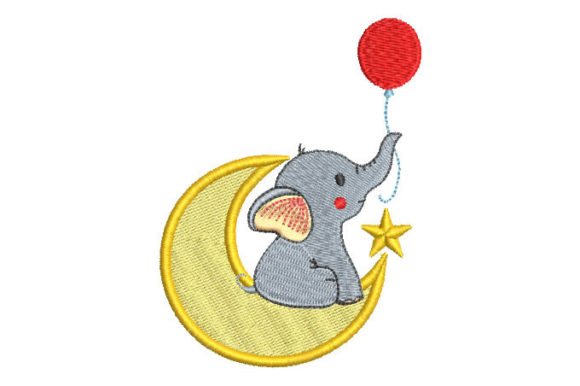
As an embroidery designer preparing for a weekend craft fair, my first task is to review the digital files I plan to turn into products. Today, I’m looking at Baby Elephant with Moon, a machine embroidery design categorized under Baby Animals. The title alone conjures a playful and fun image, which is exactly what the description promises. This isn't a design that feels rustic or farmhouse; it leans decidedly cute, soft, and friendly. That’s a powerful starting point for a handmade market booth.
First Impression: Visual Appeal & Mood
The concept of a baby elephant paired with a moon is inherently charming. It feels gentle and decorative, suitable for both children and adults, which broadens its appeal instantly. In a crowded craft fair aisle, designs need to communicate their mood at a glance. Baby Elephant with Moon does this well. It’s not minimal or overly bold; it’s a cozy, narrative piece that suggests a story. This emotional hook is crucial for capturing customer attention as they browse.
When I imagine this design on a table display among embroidered tote bags, aprons, and pillow covers, I see it standing out through its innocence and warmth. It doesn’t shout; it invites. In a sea of more geometric or festive patterns, this baby animals design offers a touch of whimsy that can make a product feel giftable and personal.
Product Performance: Where This Design Shines
Evaluating where a design performs best is about matching its style to the product’s function and audience.
Home Decor & Soft Goods
For items like pillow covers or small pouches, Baby Elephant with Moon is a strong contender. The friendly accent described works perfectly as a focal point on these items. On a pillow cover, it becomes a decorative centerpiece. On a fabric pouch, it adds a sweet, personal touch that elevates a simple utilitarian item into a handmade gift.
Wearables & Accessories
On tote bags and aprons, the design needs to be scaled appropriately. Given its likely detailed outline (think elephant curves and moon details), it would work best as a medium-sized feature, not a tiny logo. On the curved surface of a cap, careful testing is needed—small, dense details can get lost on structured fabrics. As an embroidered patch, however, it could be superb, allowing customers to apply the cute design to their own jackets or bags, adding versatility to your product line.
Kitchen & Textured Fabrics
Embroidering on tea towels or market bags presents a texture challenge. The design’s stitch density will be key. If the file has very dense fill areas, it might pucker on thinner linen or struggle on textured towels. A lighter, more outline-based style would fare better here. This is a reminder to always test the design on scrap fabric that matches your final product material.
Practical Production & Selling Points
Turning a digital embroidery file into a profitable craft fair product requires a practical lens.
Understanding at a Glance
From a selling perspective, Baby Elephant with Moon is easy to understand. Customers immediately recognize the subject matter and its gentle mood. This clarity helps in both physical displays and online listings for Etsy sellers. When photographed, a cute animal design like this tends to pop against neutral backgrounds, making your product photos more engaging.
Scale and Repeatability
Is it an accent or a focal design? Based on the description, it seems versatile. For batch production, which is essential for stocking a fair booth, consider if the design is quick to embroider. Designs with fewer color changes and moderate stitch counts allow for efficient batch work. I would advise checking the actual file for thread count and potential small lettering if any text is included, as tiny details can lose clarity at smaller sizes and slow down production.
Booth Display Strength
In your booth, consistency builds brand recognition. If Baby Elephant with Moon is part of a broader baby animals collection, displaying it alongside similar themes creates a cohesive section that draws buyers in. A single, well-made mockup—like a beautifully embroidered tote bag displayed prominently—acts as a powerful sample that demonstrates quality and application.
Careful-Use Notes for the Embroidery Designer
Before loading the file, here are the professional checks I run for any design like this.
- Test on Scrap Fabric: Always embroider the design on a piece of the exact fabric you plan to use for production, whether it’s cotton for tote bags or terry cloth for towels.
- Check Thread Contrast: On dark fabrics, ensure the suggested thread colors have enough pop. The moon and elephant might need light threads to stay visible.
- Review Spacing and Hoop Size: Confirm the design fits comfortably in a hoop size you own and that the elements aren’t too spaced out or cramped, which affects the final look.
- Inspect Stitch Density: Run a sample and feel the result. High-density areas can make fabric stiff and are challenging on curved surfaces like caps.
- Use the Right Stabilizer: Match your stabilizer to the fabric weight and design density. This is non-negotiable for professional-looking finished products.
- Create a Real Mockup: Don’t rely solely on printable mockups or digital previews. Make at least one physical product. This reveals real-world appeal and production quirks.
- Compare Fabric Colors: Try the design on a few different color bases (cream, grey, navy) to see which combination maximizes its friendly accent.
- Confirm Commercial Licensing: The description mentions it’s a machine embroidery design. Before selling finished products at a fair or online, verify the license terms of your digital embroidery file to ensure commercial use is permitted.
Final Thoughts on Customer Engagement & Value
For creative entrepreneurs—Etsy sellers, boutique makers, embroidery business owners—the ultimate goal is to create products that resonate and sell. Baby Elephant with Moon has the core ingredients: a universally likable subject, a clear emotional tone (playful, fun, friendly), and versatile application. Its value in a handmade product lies in that transformation from a digital file to a tangible, heartwarming item on a tea towel, apron, or patch.
At the craft fair booth, a customer might notice it on a child’s small backpack or a decorative pillow cover and connect with its story. That engagement drives sales. It’s a design that feels inherently handmade and personal, which is precisely what buyers at these markets are seeking. By pairing it with the right product base, using sound embroidery techniques, and presenting it thoughtfully, Baby Elephant with Moon can become a standout, profitable part of your handmade product lineup.