Actor Embroidery Design: A Professional Review for Branded Merchandise
As an embroidery designer who works daily with small businesses to build their branded merchandise, I see hundreds of designs. When evaluating a file like Actor, I look beyond its cute appeal and ask: how will this perform in the real world of caps, patches, uniforms, and tote bags? This review focuses on its potential as a commercial embroidery asset for shops, cafes, studios, and makers.
First Impression: Playful Professionalism for Creative Brands
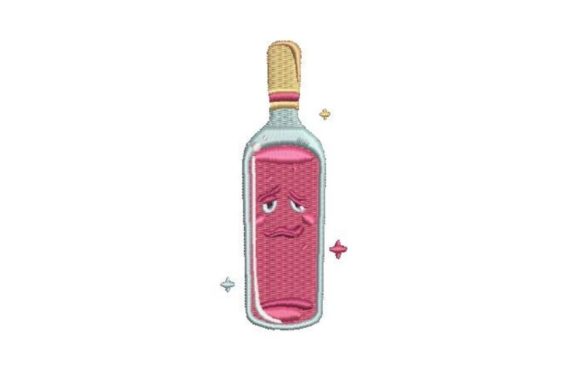
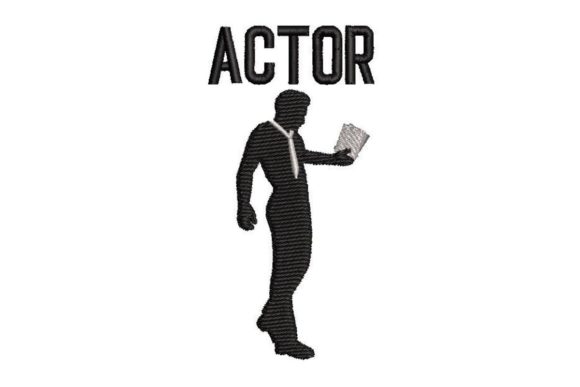
The Actor design immediately strikes a balance between playful charm and clear, readable form. It evokes a sense of creativity and performance, which aligns perfectly with businesses in the arts, craft studios, or any brand with a story-driven identity. The described “cute design” aesthetic suggests a friendly, approachable quality. For a boutique, a handmade shop, or a local café that wants its merch to feel personal rather than corporate, this personality is a strong starting point. It doesn’t scream “luxury” or “ultra-modern,” but rather carries a handmade and engaging vibe that can elevate a product’s perceived value.
Real-World Business Applications: From Patches to Product Labels
Let’s translate that first impression into practical use. For a small business, Actor isn’t just decoration; it’s a versatile brand asset.
Embroidered Patches for Brand Consistency
One of the most powerful uses is creating custom embroidered patches. A pet brand could sew these onto dog bandanas or leashes. A bakery or florist could use it as a patch on canvas tote bags offered as customer gifts. As a patch, it becomes a portable logo—detachable, reusable, and perfect for event merch or limited-run products. Its likely intricate lines mean it must be tested at smaller sizes to ensure clarity on, say, a 2-inch patch.
Uniform & Apparel Enhancement
For staff uniforms or aprons, Actor could serve as a charming chest logo accent or a sleeve detail. On a work shirt for a creative studio or a neighborhood café, it conveys a unified team identity without being overly stern. It’s important to consider the base fabric: a dark chef’s apron may require a different thread color strategy than a light cotton polo.
Cap Embroidery and Bag Branding
Cap embroidery is a classic merch item. The design’s form needs to be evaluated for the curved, often smaller front panel of a cap. Does it maintain its character when condensed? Similarly, as a mark on a tote bag design or a product packaging accent (like a small embroidered tag on a handmade product), it adds a tactile, premium feel that stickers or prints cannot match.
Navigating Technical Considerations for a Flawless Finish
Success in commercial embroidery hinges on preparation. Here are key designer notes for using Actor in business projects.
- Test in Black and White First: Run a test on scrap fabric using high-contrast threads. This reveals the true structure of the design, independent of color choices, and highlights any potential issues with stitch spacing or density.
- Check Performance at Small Patch Size: Before committing to a production run for small patches or cap fronts, stitch it out at the intended finished size. This is crucial for verifying that fine details remain clean and legible.
- Review Thread Color Contrast: The design’s effectiveness depends on contrast. On dark uniforms, you may need to plan for lighter or bolder thread colors to ensure the design pops and maintains brand recognition.
- Inspect Spacing and Stitch Density: High stitch density in detailed areas can be challenging on textured fabrics like canvas for tote bags. Using the proper stabilizer is non-negotiable to prevent puckering and ensure a professional finish.
- Create a Printable Mockup for Client Approval: Before stitching on final products, generate a digital mockup to show your business client how Actor will look on their apron, cap, or bag. This aligns expectations and confirms the design complements their other design assets.
- Confirm Commercial Licensing: The product description mentions it “can be used with m.” It is essential to verify the specific licensing terms of this digital embroidery file for commercial embroidery and business merchandise production before any paid client work begins.
Where This Design Requires Careful Application
While versatile, some applications demand extra caution. The potential for detailed outlines and possibly tiny lettering (if text elements are present) means it might not be suitable for very small-scale embroidery on delicate fabrics. Items that need frequent washing, like staff polos, require a robust stitch construction to endure wear. Always test on real fabric that matches the final product—the difference between a cotton twill cap and a knit jersey shirt is significant.
Impact on Brand Identity and Customer Perception
Choosing a design like Actor for your small business merch is a branding decision. It affects customer trust and engagement by signaling a specific personality: creative, attentive, and invested in presentation. A well-executed embroidered patch or cap logo made from this file enhances brand identity and visual consistency across your products. It turns a simple tote into branded merchandise and a uniform into a statement of professionalism. For an Etsy seller or a craft business, using such a design on their packaging or product itself directly boosts the handmade product presentation, suggesting care and artistry that buyers value.
Final Advice for Embroidery Shops and Apparel Decorators
Treat Actor as you would any client-provided logo. Your role is to engineer its transition from a machine embroidery design file to a durable, attractive finished product. Communicate clearly with your business client about the need for testing, especially regarding hoop size and the final substrate. Compare it beside their other branding elements to ensure cohesion. When done right, this design can become a beloved, recognizable mark for a local business, stitched into the daily fabric of their community engagement.