A Cheery Peach Design for Craft Fair Success
As an embroidery designer preparing for a weekend market, every file in my library gets a practical review. Which designs will translate into products that attract attention, feel high-value in a customer's hands, and are efficient to produce in batches? When I look at the Peach Mini, a specific, bright vision for my booth starts to form.
First Impression: Sunny, Friendly & Instantly Recognizable
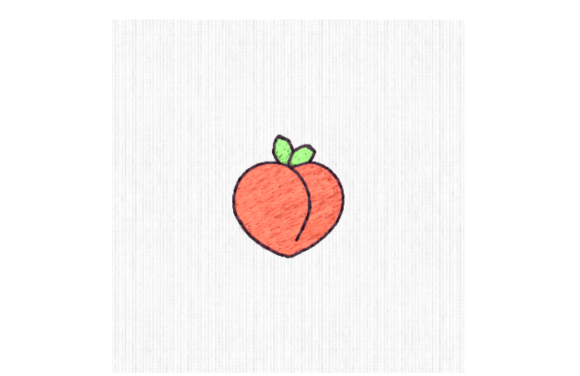
The Peach Mini name itself sets the tone. This isn't a complex, painterly fruit; it’s a “mini.” That suggests cute, approachable, and perfectly sized for accent decoration. My first thought is that this design embodies a cheery, farmhouse-inspired softness. It’s not overly rustic or aggressively modern. It feels decorative, warm, and universally pleasant—a key trait for a product that needs to sell quickly to diverse customers browsing a craft fair.
This immediate, friendly recognizability is a huge asset. At a busy market, customers often decide within seconds. A simple, happy peach communicates its theme instantly: summer, kitchen, garden, sweetness. It doesn’t require explanation. This makes Peach Mini a strong candidate for what I call “grab-and-go” items—products a buyer sees, understands, and purchases without deep contemplation.
Where Peach Mini Shines on the Craft Fair Table
Visualizing my display table, I evaluate specific products. The goal is to place this design on items where its charm is maximized and its production is straightforward.
Top Tier: Kitchen & Home Accents
Tea towel embroidery is a natural first home. A bright peach on a crisp white or linen towel looks handmade yet polished. It turns a utilitarian item into a giftable piece. Similarly, apron embroidery, placed on a pocket or waistband, adds a personalized touch that appeals to home cooks and boutique shoppers. For pillow covers, a small cluster of Peach Mini designs can create a sweet, repeating pattern without overwhelming the fabric.
Strong Contenders: Bags & Wearables
Tote bag design offers a fantastic canvas. Stitched on the front pocket or lower corner of a market bag, it provides a focal point without dominating the entire bag. This “accent” placement is perfect for a “mini” design. For caps, the curved surface requires careful testing, but a single small peach above the brim could be a delightful, subtle detail. As an embroidered patch, Peach Mini would be highly versatile—customers could apply it to anything, making it a great low-cost, high-margin item for the booth.
Gift & Small Item Potential
Fabric pouches for makeup or jewelry become special with this little embroidery. Small pillow covers or decorative towel sets packaged together can be marketed as handmade gifts. The key here is that the design elevates a simple sewn item into something perceived as thoughtfully crafted.
Practical Production & Sales Considerations
Turning a digital embroidery file into profitable inventory requires a cold, practical eye.
Stitching Logistics for Batch Work
The description notes it’s a machine embroidery design with multiple embroidery file formats. Before any production, I must check the specific hoop size required and the stitch density. A design that is too dense on thick fabrics like toweling can be time-consuming and hard on thread. I always test the design on scrap fabric first, mimicking the final product’s texture. For tea towel embroidery, using the correct stabilizer is crucial to prevent puckering. I’d also review the implied thread colors—a peach likely needs a gradient from blush to a deeper orange. Good contrast on darker fabrics must be verified; a pale peach might vanish on a navy bag.
Is it repeatable? A simple, clean design like this usually is. I can efficiently run a batch of 20 towels without constant monitoring or thread changes, which is ideal for pre-fair production. I would also create at least one real mockup—a physical towel or pouch—to judge its handmade quality in person, not just on screen.
Selling Power & Customer Perception
How does it photograph for my Etsy listings or booth signage? Simple, colorful designs like Peach Mini usually photograph very well. They are clear in thumbnail images and look crisp on printable mockups, aiding online sales. At the fair, it contributes to booth display strength by creating a cohesive theme. A table grouping all “kitchen fruit” designs together tells a visual story.
It affects product value by adding a layer of artistry. A plain apron is just an apron. An apron with a cute, cleanly embroidered peach feels specialty, justifying a higher price point. It also enhances brand consistency for a shop focused on cheerful, home-decor items.
Careful-Use Notes for the Embroidery Designer
Even with a lovely, simple design, pitfalls exist. My professional notes for using Peach Mini would include:
- Small Size Clarity: If the design is intended to be truly “mini,” I must inspect any tiny details, like a small stem or leaf. These can become lost or blurry at very small hoop sizes, reducing the crispness that sells.
- Fabric Texture: On highly textured towels or linen, the design’s smooth curves might appear slightly broken. Choosing a slightly larger size or adjusting stitch density can combat this.
- Dark Fabric Adaptation: Using a bright, potentially lighter thread palette, I might need to add an extra backing stabilizer or even consider a small white underlay stitch to ensure the peach pops on dark tote bags or caps.
- Commercial Licensing: The description doesn’t specify license terms. As a seller of finished products, I must confirm commercial licensing before selling any embroidered goods. This is a non-negotiable step.
Final Judgment for the Craft Fair Entrepreneur
The Peach Mini presents a compelling opportunity. It’s a low-risk, high-appeal design. Its food category is evergreen, especially for kitchen and home products which are perennial craft fair favorites. It feels soft and decorative, not humorous or edgy, which broadens its audience.
For the embroidery business owner or Etsy seller, it’s a versatile digital embroidery file asset. It can anchor a line of coordinated kitchen textiles or serve as a charming accent on a diverse range of products. Its greatest strength is its instant visual appeal and its potential for efficient, batch production once tested and optimized.
My recommendation is to start with its natural home: kitchen towels and aprons. Make a batch, photograph them beautifully, and display them prominently at the fair. Watch how customers react to that cheery, bright decoration. Its simplicity is its power, turning a single peach into a sunny, sellable statement on your handmade products.