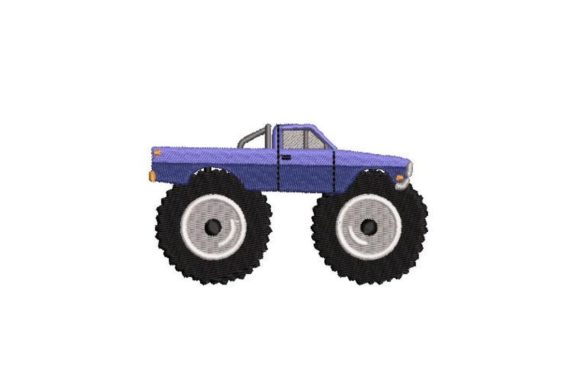
The Truck Embroidery Design: A Rugged, Reliable Choice
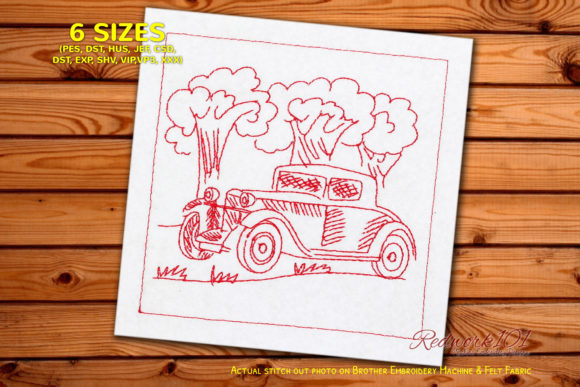
When I opened this ‘Truck’ embroidery file, my first thought was pure weekend nostalgia. It’s not an overly detailed, technical schematic; it’s the friendly, classic silhouette of a pickup—the kind you see parked at a campsite or loaded with gear for a Saturday project. The design has a straightforward, confident posture. It feels sturdy and uncomplicated, which is exactly the mood it creates: a sense of reliability, adventure, and honest work.
Where This Design Finds Its Home
This Truck isn’t fussy. That’s its biggest strength. I immediately pictured it stitched onto a heavyweight cotton tote bag for a gardener or carpenter—a personalized, durable gift that feels used and loved. For small business owners, especially those in niches like outdoor gear, handmade tools, or rustic home goods, this design acts as a perfect, subtle brand accent. Imagine it on the corner of a tea towel in a farmhouse-style kitchen set, or as a small emblem on a canvas apron for a boutique coffee shop. It doesn’t scream; it solidly belongs.
For apparel decorators, it’s a winner on sweatshirts and jackets. The solid shape holds up beautifully on knit fabrics, and its theme resonates across ages—from a toddler’s cozy hoodie to a grandpa’s favorite fleece. As a personalized gift, embroidered on a baby blanket for a family who loves road trips, it becomes a cherished heirloom with a story. For Etsy sellers and craft fair vendors, this design translates into quick, recognizable products that customers instantly connect with. It’s giftable because it’s universally understood and warmly received.
The Real-World Stitch Test: Practical Considerations
In practice, a design like this needs to perform without surprises. Before running it on a client’s good linen or a final batch of caps, I always test on scrap fabric that mimics the final product’s texture. On a tote bag’s thick canvas, you’ll want a sturdy stabilizer to handle the potential stitch density in the truck’s body. On a stretchy baby onesie, a good cut-away stabilizer is key to prevent puckering and maintain that clean silhouette.
The design’s clarity is its best feature. There are no tiny, intricate details that might get lost or fray. This makes it exceptionally forgiving on curved surfaces like caps, where simpler shapes often stitch cleaner. However, on very dark fabric backgrounds, thread color contrast is crucial. A bright white or a bold orange for the truck body will make it pop and maintain that handmade presentation’s professionalism. Always check your thread choices against both light and dark backgrounds in a black-and-white mockup first to judge contrast purely.
When to Choose a Different Route
While versatile, the Truck design might not be the best fit for every project. If you’re working with very small hoop sizes and need a miniature logo, the design’s overall shape could become too condensed, losing its open, rugged feel. On thin, delicate fabrics like silky blends, the possible fill stitch areas in the truck’s cab might be too dense, risking fabric distortion. Also, for products that will undergo industrial or frequent washing—like work uniforms—you’d want to ensure the stitch count and density are robust enough for that abuse. Since exact specifications aren’t provided here, confirming the file’s stitch density and recommended hoop size from the designer is a necessary step before committing to commercial embroidery projects.
For crafters creating patches, this design is a fantastic candidate. Its bold outline and solid interior areas would create a dense, durable patch perfect for backpacks or jean jackets. That same robustness translates well into digital product previews and printable mockups for your online shop, giving customers a confident sense of the finished product’s quality.
Building Trust with Your Stitch
Using a well-executed design like this directly impacts customer trust and your brand’s consistency. When a handmade product has a clean, crisp embroidery with no thread breaks or misaligned elements, it speaks to care and expertise. For creative entrepreneurs selling digital embroidery files themselves, offering a design that performs reliably across different machines and projects—thanks to its multiple file formats—builds a reputation for quality design assets. This Truck design, by being fundamentally simple and strong, reduces the risk of stitching errors, which in turn increases buyer engagement. They see a product that looks professionally made, not just decorated.
A Designer’s Final Notes Before You Hoop
My final advice is always practical. First, test it. Always. Use a scrap of the actual fabric and stabilizer combination you plan for the final project. Second, review the included embroidery file formats for your specific machine compatibility to avoid any last-minute format conversions. Third, inspect the design for any potential small details—like maybe a hint of a grill or wheel texture—and plan your thread colors accordingly to emphasize or subtly blend them based on your project’s scale.
Most importantly, confirm the licensing terms. If you’re a small shop owner planning to sell finished products like embroidered pillow covers or kitchen towels, or a digital product seller considering including it in a bundle, clear licensing is the foundation of your commercial embroidery peace of mind. Once that’s settled, this Truck design is ready to roll. It’s a dependable, mood-setting piece that turns a simple embroidery project into a product with character and heart.