Rabbit in a Black and White Buffalo Plaid: A Professional Review
As an embroidery designer, I see a lot of files, but when I evaluate a design like Rabbit in a Black and White Buffalo Plaid for business use, my perspective shifts from decoration to branding. For small business owners, apparel decorators, and merch creators, this isn’t just a cute image; it’s a potential asset. Let’s review it from that practical, commercial viewpoint.
First Impression: Visual Personality and Business Potential
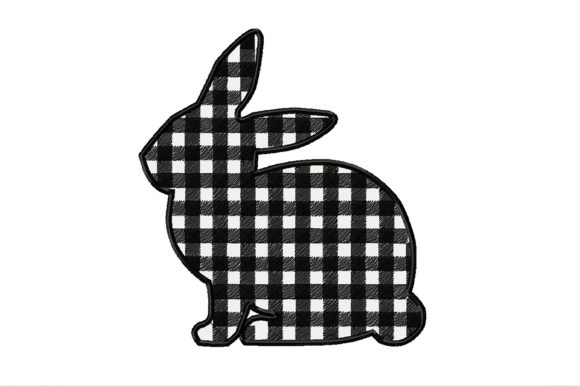
The title tells us a lot. The rabbit introduces a friendly, playful, or perhaps rustic personality—ideal for cafes, bakeries, pet brands, florists, or handmade shops. The buffalo plaid pattern grounds it with a classic, cozy, and slightly modern feel. This combination makes the design feel both approachable and professional. It’s not overly ornate, which is good for clear brand recognition. The stark black and white creates a bold graphic impact, essential for merchandise that needs to stand out on uniforms, tote bags, or product labels.
For a boutique or creative studio, this design could communicate a sense of handmade charm with a clean, premium finish. It’s decorative, yes, but the graphic style lends itself to being read as a logo accent or a consistent mark across various products.
Performance in Real Business Applications
This machine embroidery design has strong potential across several key merchandise categories.
Embroidered Patches and Branded Add-Ons
The graphic nature of Rabbit in a Black and White Buffalo Plaid is excellent for creating an embroidered patch. Patches are versatile: they can be applied to staff aprons, work shirts, or sold as standalone merchandise. The two-color scheme keeps production costs manageable and simplifies inventory for thread colors. For a small café using it as an apron design or a pet brand offering it as a customer gift, the patch would feel cohesive and intentional.
Uniform and Apparel Embellishment
For chest logos or sleeve details on staff uniforms, this design offers a friendly accent without being overwhelming. On a black apron or a white chef’s coat, the contrast would be sharp and professional. Cap embroidery is another prime application. The design’s likely moderate stitch density and clear outlines should translate well to the curved, smaller surface of a cap front, provided the overall size is appropriate.
Tote Bags and Product Packaging
As a tote bag design for a boutique or handmade shop, this rabbit adds character and transforms a simple bag into branded merchandise. The same principle applies to using it as an accent on product packaging or tags for a craft business. It elevates the perceived value and creates visual consistency across small business merch.
Critical Considerations for Professional Use
While the design is promising, its success in commercial embroidery depends on careful application. Here are areas to scrutinize.
Size and Placement Constraints
The description mentions decorating pillows and home decor, which suggests a larger scale. For business use on caps, small patch sizes, or as a sleeve detail, you must test the design at a reduced size. The plaid pattern and rabbit outlines need to remain clear and not become muddled when minimized. Always create a printable mockup or test stitch on real fabric at the intended final size before production.
Fabric and Durability
Consider the fabric texture of the final product. This design might perform differently on a canvas tote bag versus a smooth polo shirt. Using proper stabilizer is non-negotiable for a clean finish, especially on items like aprons or work shirts that undergo frequent washing. The black and white thread colors should maintain good contrast on both dark and light uniforms, but always test on the actual garment fabric first.
Integration into Brand Identity
For a business, this design is more than a decoration; it’s part of your brand identity. Ask: Does Rabbit in a Black and White Buffalo Plaid align with your brand’s voice—rustic, playful, modern? Using it consistently on staff apparel, customer gifts, and event merch builds recognition and customer trust. It signals a thoughtful, handmade product ethos. However, if your brand palette includes other colors, consider how this strictly black-and-white asset fits within your broader design assets.
Practical Designer Notes for Production
Before running this digital embroidery file for any client or your own business products, follow these steps.
- Test in Black and White First: Even though the design is described as such, run a sample to check thread color contrast and see if any subtle details are lost.
- Confirm Hoop Size and File Compatibility: The description says it comes with multiple embroidery files. Verify that the included hoop sizes match your intended applications, like small patches or cap fronts.
- Review Stitch Density and Spacing: Examine the file in your software. High stitch density can be challenging on lighter fabrics or curved surfaces like caps.
- Create a Physical Mockup: Stitch it out on a scrap of the actual target fabric—a denim apron, a canvas tote, a uniform polo. This reveals any issues with puckering or detail loss.
- Compare Beside Other Brand Elements: If using this as an accent, stitch or print it alongside your main logo to ensure visual harmony.
- Confirm Commercial Licensing: Ensure the license for this embroidery file permits its use on merchandise for sale and commercial uniform projects. Always check this before production.
Final Verdict for Small Business Merchandise
Rabbit in a Black and White Buffalo Plaid presents a compelling opportunity for businesses seeking a friendly yet graphic branded element. Its strengths are its clear two-color execution, versatile personality, and suitability for patches, caps, and bags. Its potential pitfalls are mostly related to scaling and application on specific fabrics and garments.
For an embroidery shop or merch creator, this design can be a valuable offering to clients in the Farm Animals niche or those wanting a cozy-rustic aesthetic. As a professional in the Embroidery field, I would recommend it with the caveat of thorough testing. When applied correctly, it can enhance custom apparel, strengthen brand presentation, and add that handmade touch that customers value. It’s more than a decoration; it’s a business tool.