An Embroidery Designer's Real-World Review of Combat Veterans
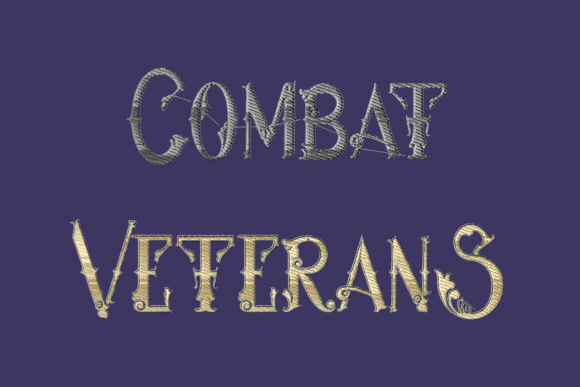
When browsing for a new design to add to my professional toolkit, the title Combat Veterans immediately caught my eye. This machine embroidery design, categorized under Remembrance on Creative Fabrica, promised a beautiful lettering piece that would stitch out perfectly with satin stitch. As an embroidery designer working with real clients and handmade products, I’m always evaluating digital embroidery files not just for their aesthetics, but for their practical performance on fabric. Here’s my honest evaluation of this design from the perspective of someone considering it for actual customer orders.
First Impression: Mood and Application Fit
The visual mood of Combat Veterans is clear and respectful. It leans towards a classic, dignified aesthetic suitable for remembrance projects. The promise of a satin stitch finish suggests a smooth, polished look that can elevate a simple item. This isn’t a overly casual or whimsical design; it naturally fits projects intended as gifts of honor, appreciation, or personal memorials. My mind immediately went to potential applications: custom tote bags for veteran organizations, embroidered patches for caps, or thoughtful additions to pillow covers and blankets meant as heartfelt gifts. For Etsy sellers or boutique owners specializing in patriotic or commemorative merchandise, this embroidery file could serve as a core design asset.
Performance in Real Embroidery Projects
Thinking about real embroidery work, the key consideration is how the design translates from digital file to stitched product. The description notes it comes with multiple embroidery, which is crucial. This often means variations in size or layout, allowing you to choose the right fit for your project’s hoop size. For small business owners like myself, flexibility is gold.
Considering Fabric and Product Types
For sturdy items like tote bags, aprons, or kitchen towels, a satin stitch design like Combat Veterans should hold up well, provided proper stabilizer is used. The potential challenge, as with any lettering design, lies in small details and dense stitch areas. On stretchy fabrics like sweatshirts, extra care with stabilization is needed to prevent puckering, especially if the lettering is intricate. For curved surfaces like caps, the design’s suitability depends entirely on the specific hoop size options provided; you must check the product details on Creative Fabrica for this critical information before attempting a cap order.
Dark fabric presents another common test. Lettering with satin stitch often requires good thread color contrast to remain legible and impactful. Before running this on a dark garment for a customer, I would always test on scrap fabric first to confirm the visual appeal. For baby items or nursery decor where softer textures are preferred, the satin stitch might feel a bit rigid, making it more suited to decorative pillows or keepsake blankets rather than direct clothing.
Practical Impact on Product Value and Presentation
Using a well-executed embroidery file like this can significantly affect your finished product’s value. For handmade gifts, especially in the remembrance category, precision and quality stitching convey care and respect, building buyer trust. A design that stitches out cleanly, as described, enhances your product photography and makes your Etsy listings or printable mockups more compelling. For apparel decorators and small business owners, consistent, high-quality results with designs like Combat Veterans help maintain brand consistency across your product line.
The giftability of items adorned with this design is high. It speaks to a specific sentiment, which can deeply engage customers looking for meaningful presents. However, for commercial embroidery products that may undergo frequent washing, such as sweatshirts or towels, you must inspect the stitch density after your test run. Overly dense satin stitch areas can be less durable over time. A practical note: always inspect small details after your first stitch-out to ensure all lettering elements are clear and connected properly.
Essential Embroidery Notes Before You Use It
Never skip the groundwork. Before committing Combat Veterans to a real customer’s order, follow these steps.
- Check the Creative Fabrica Product Page Thoroughly: Confirm the exact file formats, available hoop sizes, and any included variations. Do not assume machine compatibility or licensing terms. The product description is your starting point, but the detailed page holds the specifics you need for commercial use.
- Test on Scrap Fabric: Use the same fabric and stabilizer you plan for the final project. This reveals any issues with stitch density, thread tension, or small lettering clarity.
- Compare Light and Dark Fabric Mockups: Even digitally, visualize how the design will look on different backgrounds. It helps plan your thread palette.
- Review Thread Color Contrast: Select threads that ensure the lettering stands out with dignity, especially on darker materials.
- Confirm Licensing for Finished Items: If you are selling the embroidered products, ensure the embroidery file’s license on Creative Fabrica permits this. This is a fundamental step for digital product sellers and creative entrepreneurs.
Where Combat Veterans Shines and Where Caution is Needed
This Creative Fabrica embroidery design seems ideally suited for projects where a clean, formal lettering style is desired. Its application on items like embroidered patches, custom tote bags for special occasions, or decorative pillow covers for a remembrance theme could be excellent. The potential for a perfect satin stitch finish, if the file is well-digitized, can elevate the handmade presentation.
Caution is advised, however, for projects on very textured or highly stretchy fabric without extensive testing, and for items like baby blankets where softer fill stitches might be more appropriate. The design’s success hinges on the quality of the digitization for small lettering elements—something only a practical test can reveal.
In conclusion, from a professional embroidery designer’s viewpoint, Combat Veterans presents a promising option for a specific niche. Its value isn’t in being a universal design, but in serving remembrance-themed projects with a need for dignified, polished lettering. Its worth downloading depends entirely on your upcoming project needs and, most importantly, on the confirmed technical details provided on Creative Fabrica and the results of your own meticulous test stitch-out.